All Categories
Featured
Table of Contents
When you share your ecommerce data and website structure with Google, Google can more quickly find and parse your material, which allows your content to reveal up in Google Search and other Google surfaces. This can assist buyers discover your site and items. Here's a quick description of each page.
In the hectic world of online commerce, where many virtual shops compete for attention, mastering Ecommerce SEO is important. Picture this: your digital catalog is carefully curated, your products are top-quality, and your website exudes professionalism. Nevertheless, in spite of all this effort, your online store stays covert in the vast digital landscape, eclipsed by various rivals.
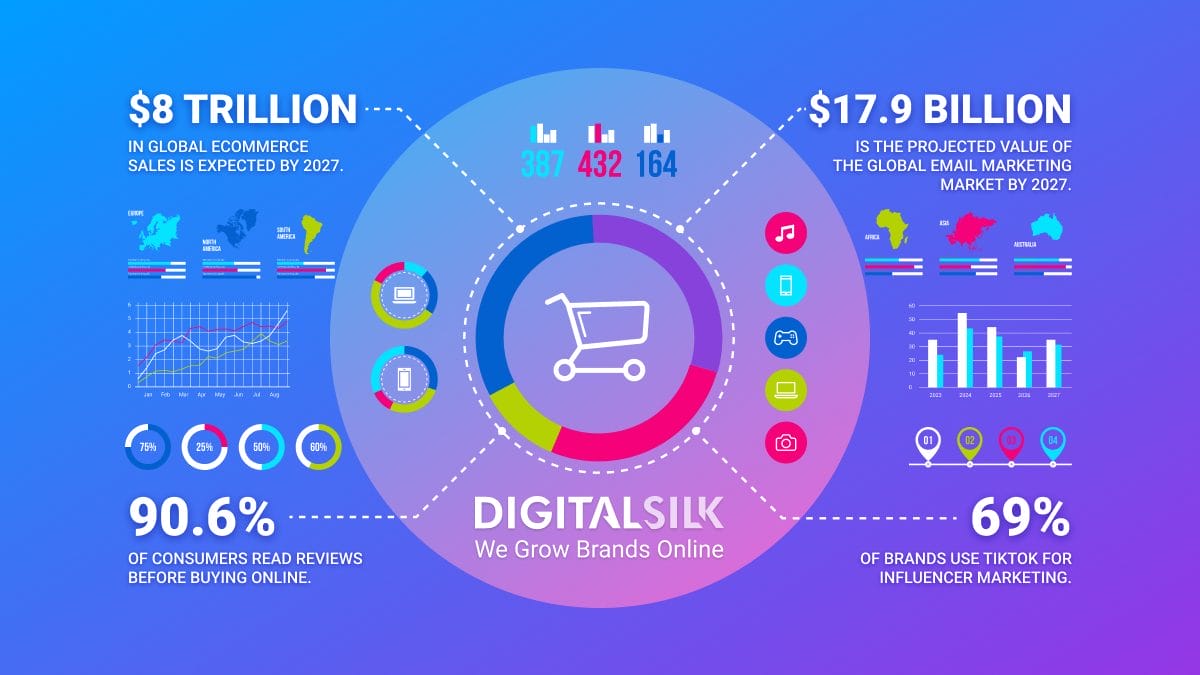
In this article, we'll discover the nuances of Ecommerce SEO and provide you with practical methods and expert insights to increase your shop's search engine ranking. From keyword research to on-page and technical SEO techniques, we will explore the methods that will genuinely elevate your online existence.
Keyword research study stands as the foundation of any effective Ecommerce SEO strategy, especially when it pertains to enhancing product pages. It's the compass that guides your online shop towards the coasts of online search engine success. The significance of keyword research in this context can not be overstated. For item pages, identifying and prioritizing relevant keywords belongs to revealing treasure troves of untapped potential.
To start this mission, you must understand your audience's search behavior and choices. Start by brainstorming a list of possible keywords that connect to your products. From there, utilize keyword research tools like Google Keyword Planner, SEMrush, or Ahrefs to broaden your list, find search volumes, and examine keyword competitiveness.
Optimizing the Buyer Journey Through Data
Concentrate on long-tail keywords, which are more specific and frequently indicate greater purchase intent. Furthermore, consider the seasonality and trends connected with your items. By carefully unraveling the complexities of keyword research study, you're not just improving the discoverability of your products but likewise making sure that your online store resonates specifically with the desires and requirements of your target market.
On-page SEO is the bedrock of an effective e-commerce technique, where the complexities of optimization can make or break your online store's exposure. To begin, crafting impressive product titles and descriptions is critical. These components must be not only helpful but likewise overflowing with relevant keywords to guarantee that online search engine and potential clients can quickly recognize the essence of your items.
Image optimization, often ignored, is crucial for e-commerce. Premium images improve user experience, and optimizing them with descriptive alt tags ensures accessibility and improves online search engine rankings. In essence, on-page SEO for e-commerce is the scaffolding that supports your online store's success, guiding visitors and search engines alike to the heart of your services and products.
Future Social Ad Shifts to Track in 2026Effective Content Campaigns for Online Shops
The need for speed can not be overemphasized; your website's filling time profoundly impacts user experience and search engine rankings. Furthermore, with a growing mobile audience, mobile-friendliness is non-negotiable. Guaranteeing your site is responsive and optimized for numerous devices is critical. Schema markup for item info is another technical gem. It provides structured data that assists online search engine understand and display necessary product details directly in search engine result, enhancing click-through rates and user engagement.
E-commerce sites often grapple with this challenge due to similar item descriptions. Implementing canonical tags, producing special product descriptions, and using 301 redirects when required can mitigate these concerns and keep your website's SEO integrity. In the world of e-commerce, a well-crafted content strategy is the compass assisting customers through the digital aisles of your online store.
Blog site posts can deal with market trends, while guides and tutorials provide detailed guidelines, positioning your brand name as a reliable source. Crafting high-quality content involves meticulous research study, engaging storytelling, and a focus on user needs.
Image optimization, often ignored, is crucial for e-commerce. High-quality images improve user experience, and enhancing them with descriptive alt tags ensures ease of access and enhances search engine rankings. In essence, on-page SEO for e-commerce is the scaffolding that supports your online shop's success, assisting visitors and online search engine alike to the heart of your services and products.

SEO Vs Social Search for Sustainable Growth
The need for speed can not be overemphasized; your website's filling time exceptionally affects user experience and search engine rankings. It offers structured data that helps search engines understand and showcase vital item information directly in search results, enhancing click-through rates and user engagement.
E-commerce websites typically grapple with this obstacle due to similar item descriptions. Carrying out canonical tags, developing special product descriptions, and using 301 redirects when needed can alleviate these issues and keep your website's SEO stability. In the realm of e-commerce, a well-crafted material technique is the compass assisting clients through the digital aisles of your online shop.
Blog posts can attend to industry patterns, while guides and tutorials offer detailed instructions, placing your brand name as an authoritative source. Crafting top quality material includes careful research, engaging storytelling, and a focus on user requirements.

Latest Posts
The Future of Retention Strategies
Winning Content Strategies for Small Retail Stores
The Evolution of Lifecycle Strategies